
System-level digital twin using C-DReAM simulator

Whether you’re pre-launch or scaling, we help you make confident decisions using science-based system-level simulation instead of assumptions.
Pre-launch or early deployment
Link budget uncertainty across orbital configurations
Scaling capacity or adding orbital planes
Predicting coverage & capacity under realistic user densities
Integrating 5G TN/NTN
Understanding 5G TN/NTN coexistence
Exploring new satellite technologies
Balancing regulatory & spectrum tradeoffs
Preparing for investor rounds or major customer bids
Ensuring SLA reliability for enterprise / government customers
A strategic, co-development offering for SatCom operators who want to move fast and make confident decisions using the C-DReAM satellite simulator.
Constellation Digital Twin Setup
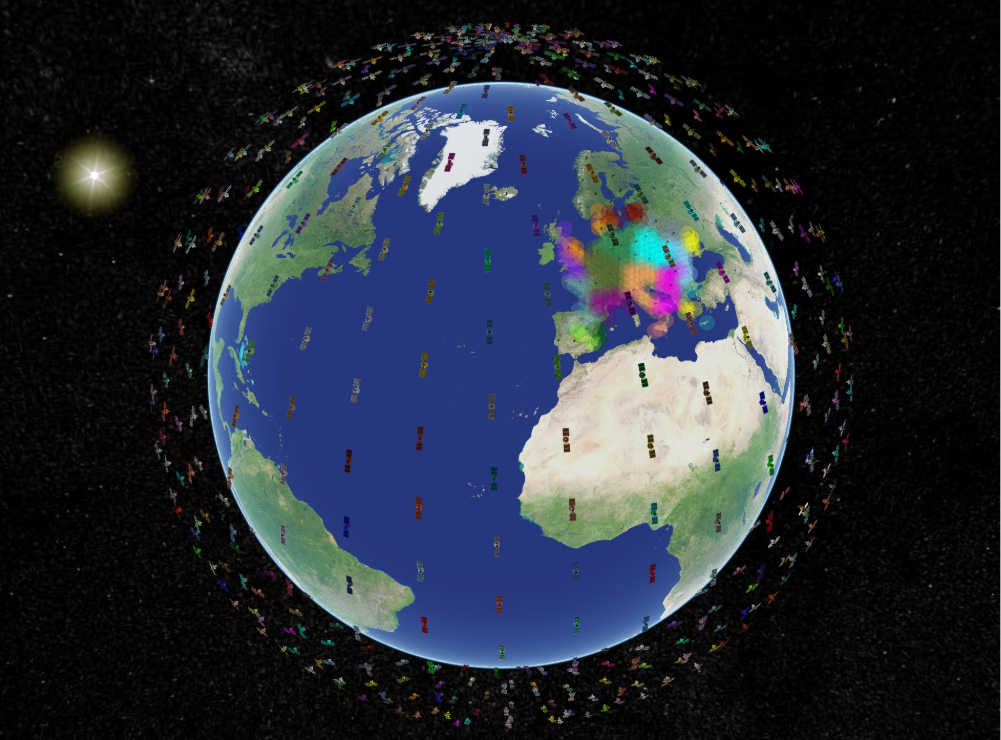
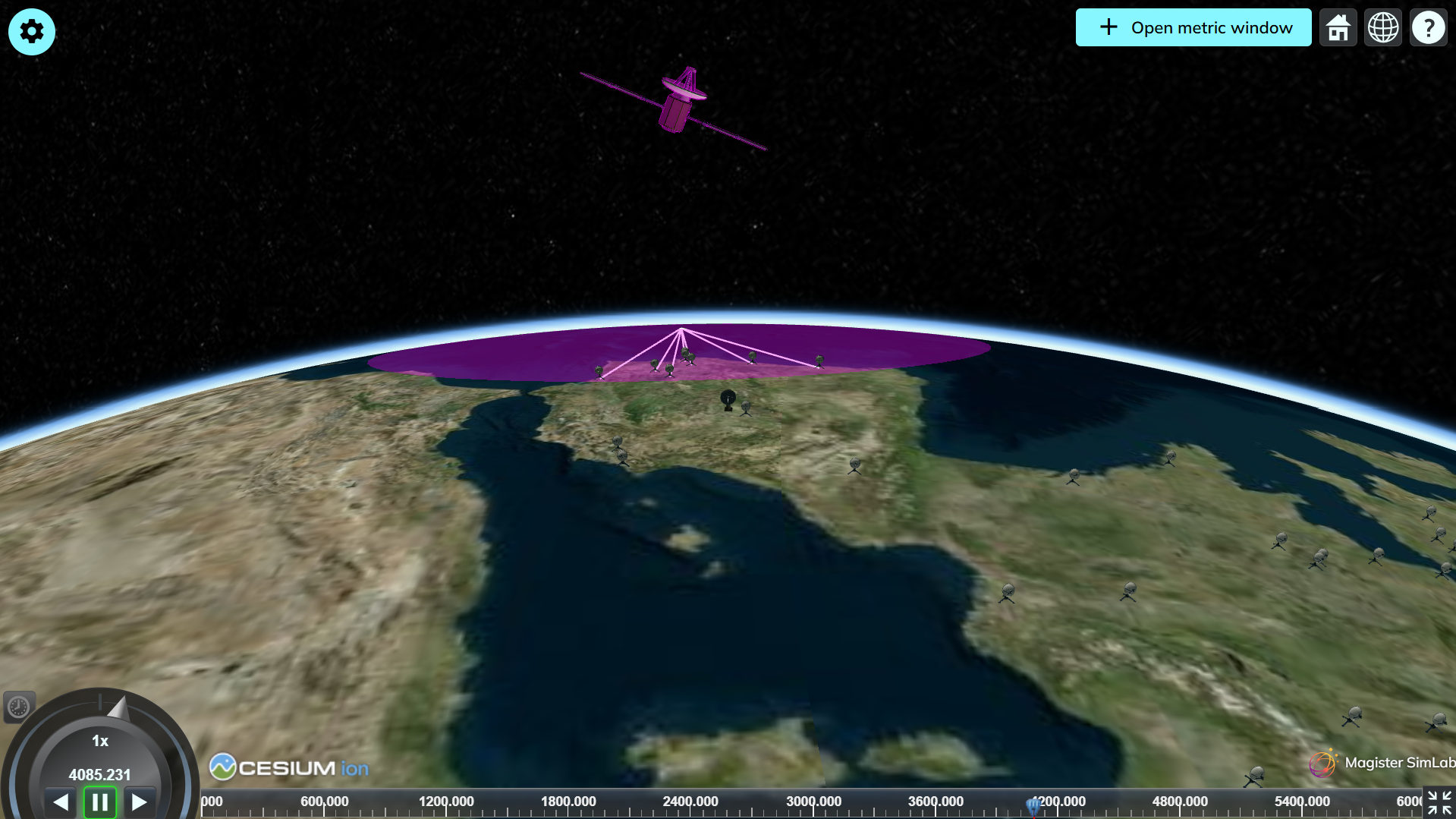
We build an accurate system-level model of your constellation using the C-DReAM satellite simulator, creating a high-fidelity digital twin with the needed detail.
Performance Analysis
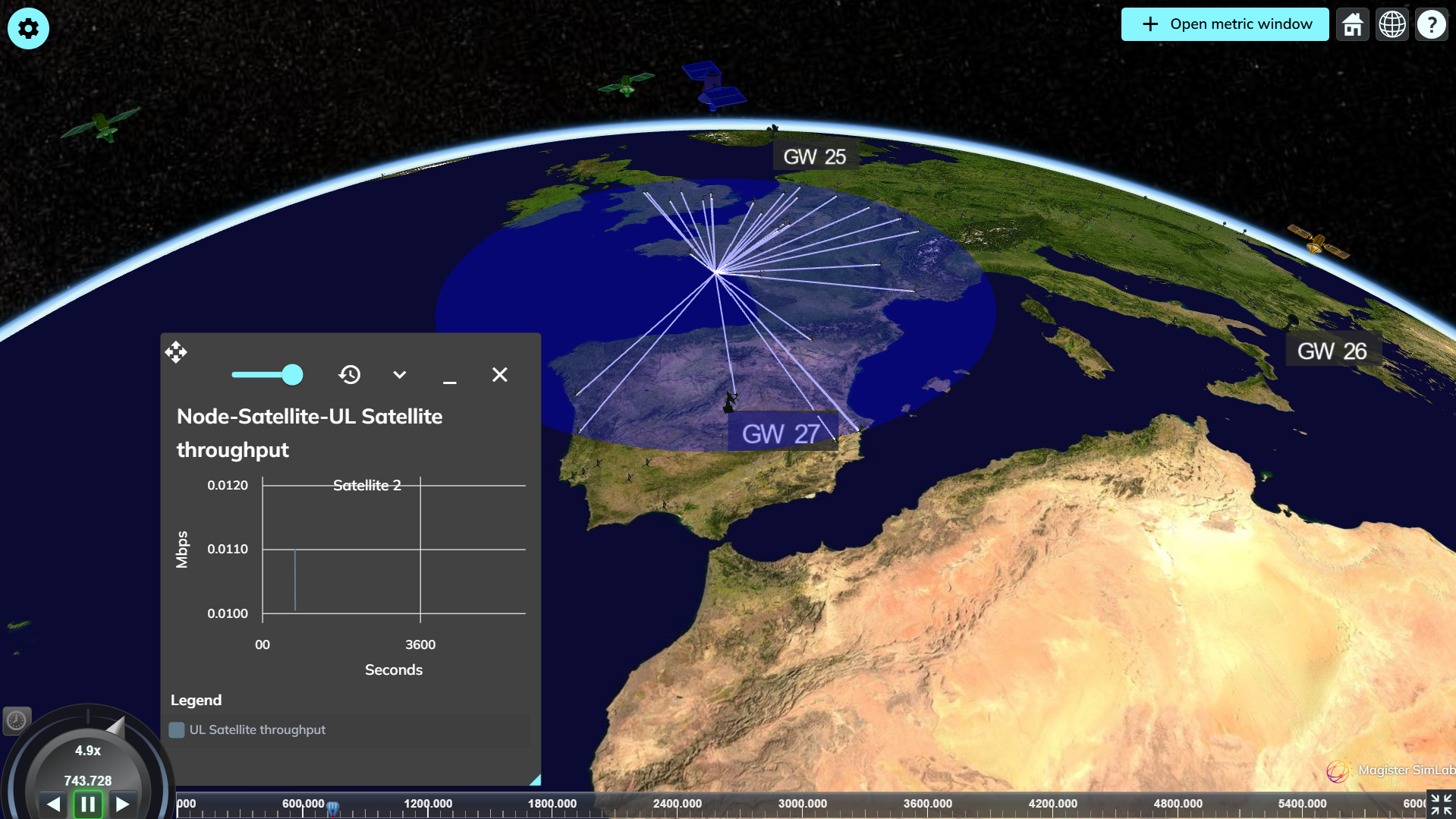
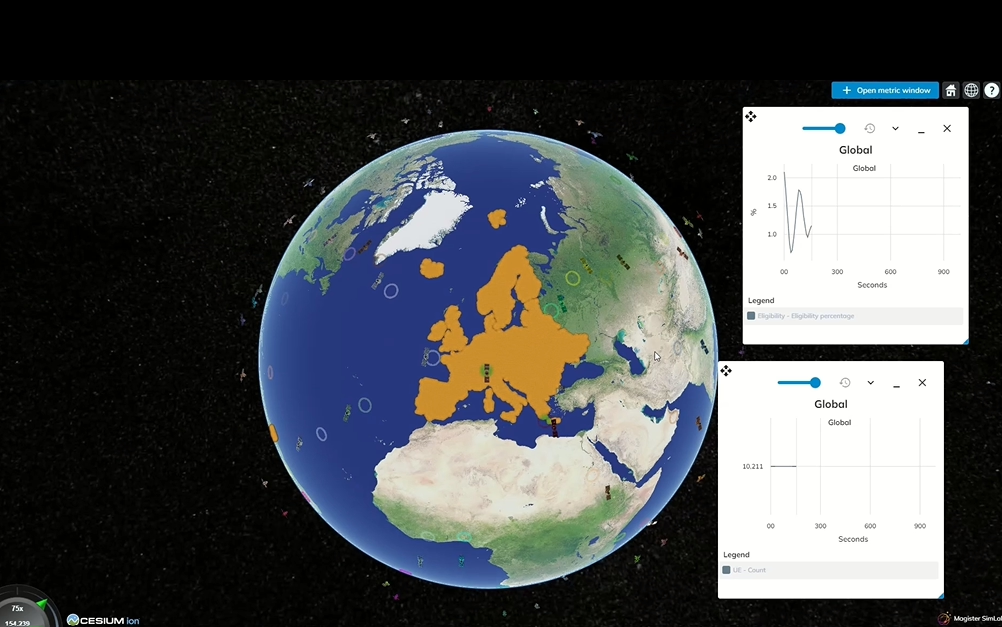
We simulate and quantify your constellation’s performance using the digital twin, running targeted simulations to assess system behavior.
Typical analysis topics:
By joining this program, SatCom operators gain a clear, evidence-based understanding of how their constellation will perform, as well as a stronger foundation for both engineering and commercial decisions.
11-Week Structured Program
A clear, deliverable-focused roadmap from requirements to validated constellation design.
Collaborative sessions to understand your constellation objectives, coverage goals, and technical requirements.
Building your high-fidelity digital twin in C-DReAM with orbital models, gateways, beams, and 5G TN/NTN integration.
Running targeted simulations to assess coverage, capacity, routing, latency, interference, and architectural trade-offs.
Delivery of technical reports, KPIs, visualizations, and actionable recommendations for your constellation design.
Keep your simulation environment aligned with evolving design choices through ongoing expert guidance, digital twin updates, and new simulation scenarios.
✓ ESA Collaborator • ✓ 3GPP Contributor • ✓ Industry Trusted
Magister Solutions is a recognized specialist in satellite constellation, telecom network, and wireless system simulations, delivering world-class simulation solutions and services for advanced space and 5G TN/NTN use cases.
Recognized specialist in satellite constellation, telecom network, and wireless system simulations.
Collaborating internationally with industry leaders including the European Space Agency, Sateliot, and Nokia.
Active contributors to 3GPP & ETSI standardization, shaping the future of terrestrial and satellite communications.
Join leading LEO operators who trust Magister Solutions to validate their constellation designs before launch. Start your 11-week journey today.
Weeks to Validated Design
Verified Simulation Tools
20 years of network simulation leadership

Accelerating the future of wireless system development today with system-level digital twins and detailed simulations.



Sepänkatu 14 C 16 FIN-40720 Jyväskylä, Finland
Business ID: 1998796-8
VAT number: FI19987968
info(at)magister.fi