System-Level Digital Twins for Efficient Maritime Communications
December 17, 2025

December 17, 2025
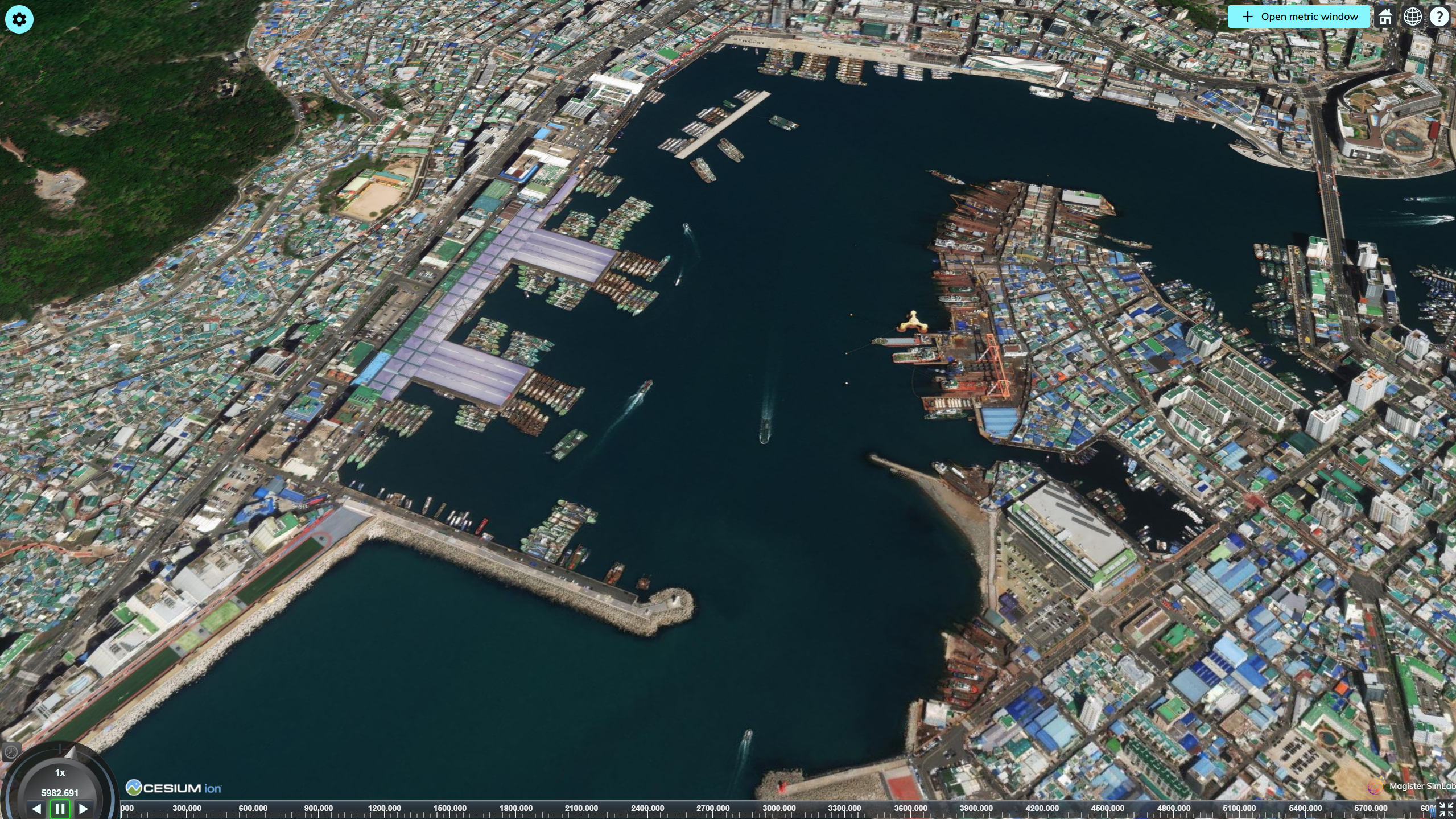
The maritime industry is a cornerstone of global trade and critical infrastructure that keeps economies moving. Every day, tens of thousands of vessels transport essential goods across oceans, forming the backbone of worldwide supply chains.
Maritime operations are undergoing a digital revolution. For example, automation technologies, artificial intelligence (AI), and Internet of Things (IoT) systems promise smarter ports, better optimized routes, and enhanced predictive maintenance capabilities. At the same time, these technologies introduce new challenges – particularly around cybersecurity and the need to protect vulnerable, mission-critical vessel and port systems from attacks.
Digitalization isn’t the only force reshaping the industry. Tightening environmental regulations, geopolitical tensions, and complex supply chain dynamics all demand more adaptable, resilient maritime operations.
System-level digital twins offer an effective way to address these concerns. By creating virtual representations of vessels, maritime communication networks, and port logistics, they enable operators to evaluate technology and network performance, prepare for unexpected situations in a safe way, and optimize vessel movement. This allows the maritime industry to embrace digital innovation without compromising safety, security, or reliability.
At any moment, an estimated 50,000 – 10,000 ships are at sea, carrying nearly 80% of the world’s traded goods. With global shipping routes and ports growing increasingly congested, optimizing vessel movement is essential for safe and smooth maritime operations.
System-level digital twins offer a controlled environment for modeling vessel positioning, dynamics, and traffic patterns under realistic conditions. These simulations incorporate sea states, currents, tides, and weather, as well as vessel-specific characteristics like draft, displacement, and cargo load, all of which affect maneuverability and fuel efficiency.
Beyond individual ships, you can model entire shipping lanes populated by a variety of vessel types. Evaluate congestion patterns, test rerouting strategies to avoid hazards, and assess sudden disruptions. Multi-vessel trajectory modeling provides insight into large-scale traffic interactions and helps ensure safe passage through crowded maritime corridors.
By simulating distance-based interactions and COLREG (International Regulations for Preventing Collisions at Sea) compliance, digital twins also help identify collision risks, evaluate emergency scenarios, and develop safety strategies long before actual vessels reach the water.
Communication at sea is essential but often unreliable and inconsistent. Vessels rely on connectivity, for example, for navigation, cargo tracking, crew coordination, and safety alerts. However, they often operate far from terrestrial network infrastructure and under harsh, changing environmental conditions.
Maritime communication depends on a mix of satellite links, marine VHF (very high frequency) and HF (high frequency) radio, AIS (automatic identification system), and occasional coastal LTE or 5G when near shore. 5G Non-Terrestrial Networks (5G NTN) are extending 5G coverage through satellites to provide connectivity also across remote areas such as seas, beyond the reach of traditional terrestrial networks.
In simulation, these diverse communication layers can be modeled together to observe the variations in coverage and dynamicity that vessels encounter as they travel.
System-level simulation makes it possible to examine how networks behave in both busy coastal zones and remote ocean regions. It can replicate the effects of storms, interference, or heavy network traffic on signal quality.
As ships move, the simulation demonstrates where bandwidth drops, latency spikes, or coverage transitions occur. This information helps you plan routes, anticipate outages, and prioritize mission-critical communications.
The maritime domain faces a unique blend of safety and security challenges, from physical hazards and mechanical failures to digital threats and geopolitical instability. Simulation provides a safe way to prepare for high-risk situations. Scenarios like collisions, severe weather, reduced visibility, equipment breakdowns, and rescue operations can be rehearsed in a virtual environment. This helps crews refine emergency protocols and understand how different factors compound risk.
As ships become more connected, they also become more vulnerable to cyber threats. GPS jamming, spoofing, electronic interference, and network intrusions can compromise navigation and cargo safety. Through simulation, you can test network and system resilience against these threats, evaluate vulnerabilities, and develop robust mitigation and recovery strategies.
Geopolitical tensions can also impact maritime operations. Territorial disputes, sanctions, or regional conflicts can force sudden rerouting of trade flows. Simulation makes it possible to compare alternative paths, quantify risk exposure, and understand the effects on schedules, fuel consumption, and operational safety.
Through proactive training and scenario testing, digital twins help maritime organizations enhance resilience in an unpredictable world.
Ports are critical ecosystems in the global supply chain. They coordinate vessel arrivals, cargo movements, equipment allocation, and logistics across sea, road, and rail. As vessel sizes grow and global trade intensifies, ports must handle increasing pressure and volume to operate efficiently. Port congestion is a growing issue especially in high-traffic areas such as Europe, Asia, and North America.
Modern ports are increasingly adopting automation, AI, and IoT strategies to reduce congestion, boost throughput, and minimize human error. System-level simulation goes beyond isolated testing by providing a holistic view of the entire port. It models both the technology layer – AI algorithms, IoT sensors, and automated systems – and the operational layer, including vessel arrivals, berth allocation, and docking procedures.
This integrated approach helps stakeholders evaluate how emerging technologies interact with existing real-world processes. Simulation reveals bottlenecks such as congestion hotspots, inefficient equipment usage, or scheduling conflicts. They allow port operation planners to test new strategies, prepare for disruptions caused by weather or mechanical failures, and optimize resource deployment.
By evaluating the impacts of potential disruptions in advance, port authorities can develop mitigation plans that reduce downtime and maintain smooth logistics flows.
Autonomous and AI-assisted vessels are becoming a reality. Ranging from remotely controlled ships to fully autonomous vessels, these systems promise improved safety, efficiency, and reduced human error, which is the leading cause of maritime accidents.
Real-world testing alone may not capture every scenario needed to plan and validate these autonomous technologies. System-level digital twins provide a realistic, risk-free environment to test onboard AI, software, and sensor systems – such as radar, lidar, sonar, camera, and GPS – and how they interpret their surroundings in versatile maritime settings.
Simulators can recreate challenging conditions such as heavy traffic, narrow channels, storms, poor visibility, and shifting communication coverage. Autonomous navigation algorithms can be evaluated for collision avoidance, COLREG compliance, fuel efficiency, and route optimization.
As autonomy increases, cybersecurity becomes even more critical. Digital twins help defend against threats like GPS spoofing, sensor jamming, and attacks targeting AI decision-making. These attacks can aim, for example, to hinder navigation or situational awareness. Therefore, it’s crucial to implement secure network architectures, detect and eliminate vulnerabilities, enable smooth recovery from attacks, and prevent unauthorized access. By evaluating these aspects in the digital twin, the real-world system can be optimized.
With the integration of IoT sensors, AI-driven diagnostics, and system-level digital twins, maritime maintenance is turning into a more intelligent, anticipatory process. Predictive analytics powered by these systems allow operators to monitor vessel health and detect early warning signs. Instead of waiting for failures, issues can be addressed long before they escalate, reducing repair costs and downtime.
System-level digital twins create virtual representations of vessels and their critical systems, continuously updated with data from IoT sensors. These predictive models allow operators to compare vessel performance, identify systemic weaknesses, and refine operating practices based on data rather than assumptions. Over time, this creates a feedback loop where every voyage strengthens future decision-making.
When applied across entire fleets and port operations, simulations provide visibility into the broader operating environment and supply chain. By integrating mechanical data with weather forecasts, ocean conditions, traffic patterns, and port logistics, digital twins offer a broad situational awareness that helps detect risks before they materialize. This supports smarter planning, more efficient fuel usage, and improved sustainability.
Visualization tools transform complex data into actionable insight. Fleet and port managers can view full operational timelines, spot inefficiencies, and evaluate how disruptions propagate through supply chains.
By combining AI, sensors, and predictive modeling, the maritime industry can achieve higher reliability, lower costs, and a more resilient global logistics network.
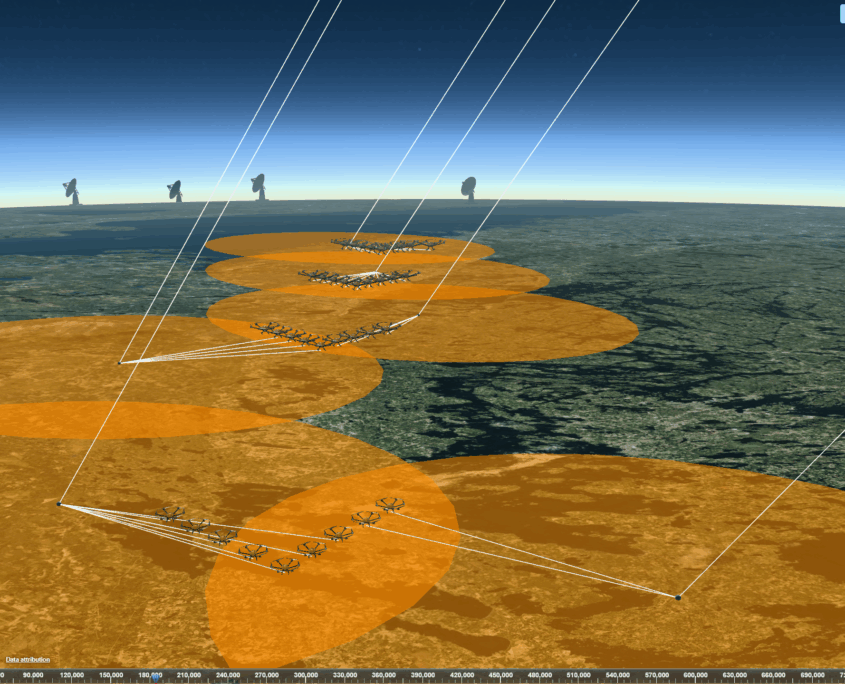
C-DReAM: System-Level Digital Twins for Smarter Connectivity & Mobility
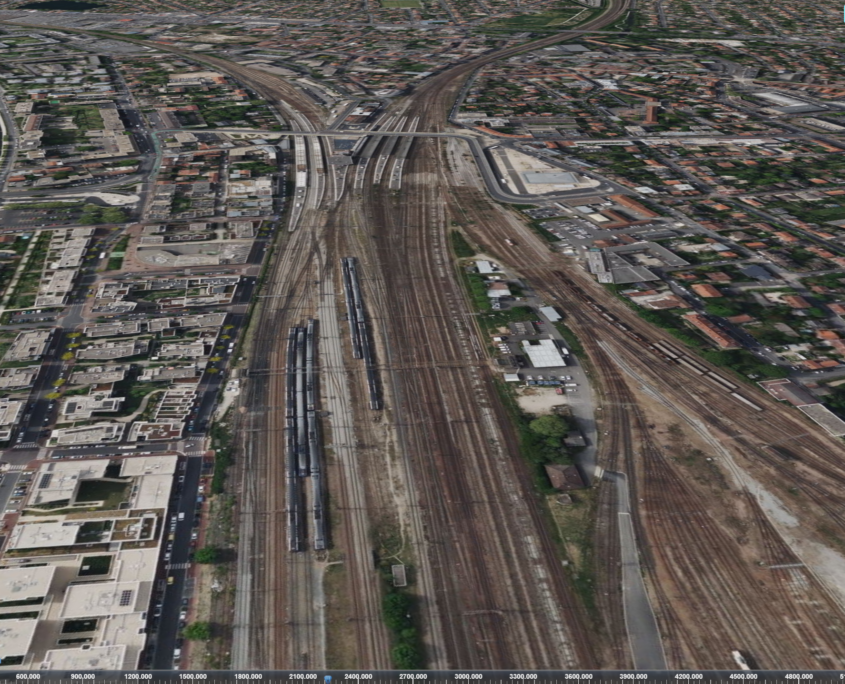
ALIX: Protocol-Level Simulations for 5G Terrestrial & Non-Terrestrial Networks
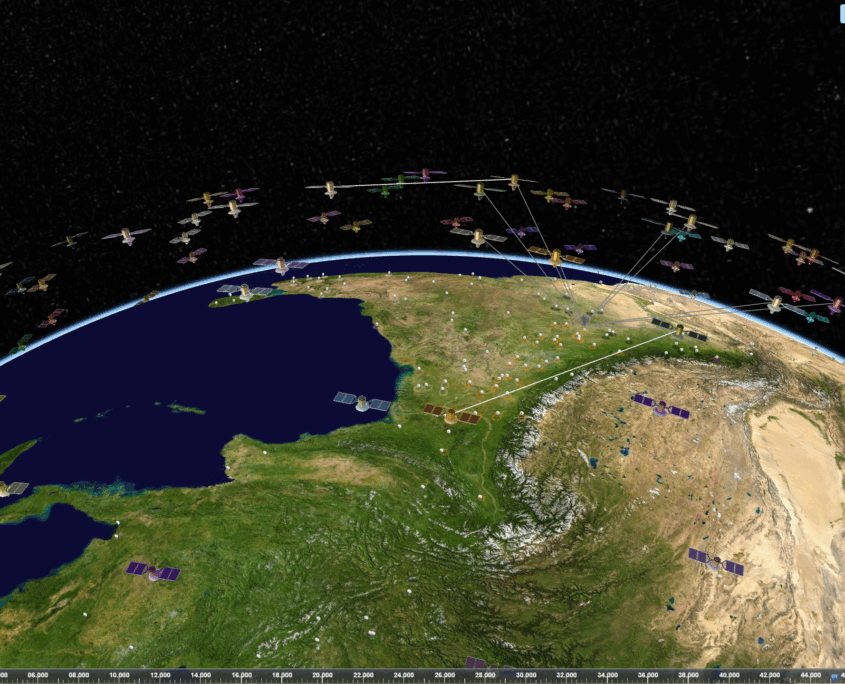
Magister SimLab: Graphical User Interface for Versatile Simulation Campaigns

Accelerating the future of wireless system development today with system-level digital twins and detailed simulations.



Sepänkatu 14 C 16 FIN-40720 Jyväskylä, Finland
Business ID: 1998796-8
VAT number: FI19987968
info(at)magister.fi